Best Month to Start House Construction in Pakistan — A Jhelum Answer
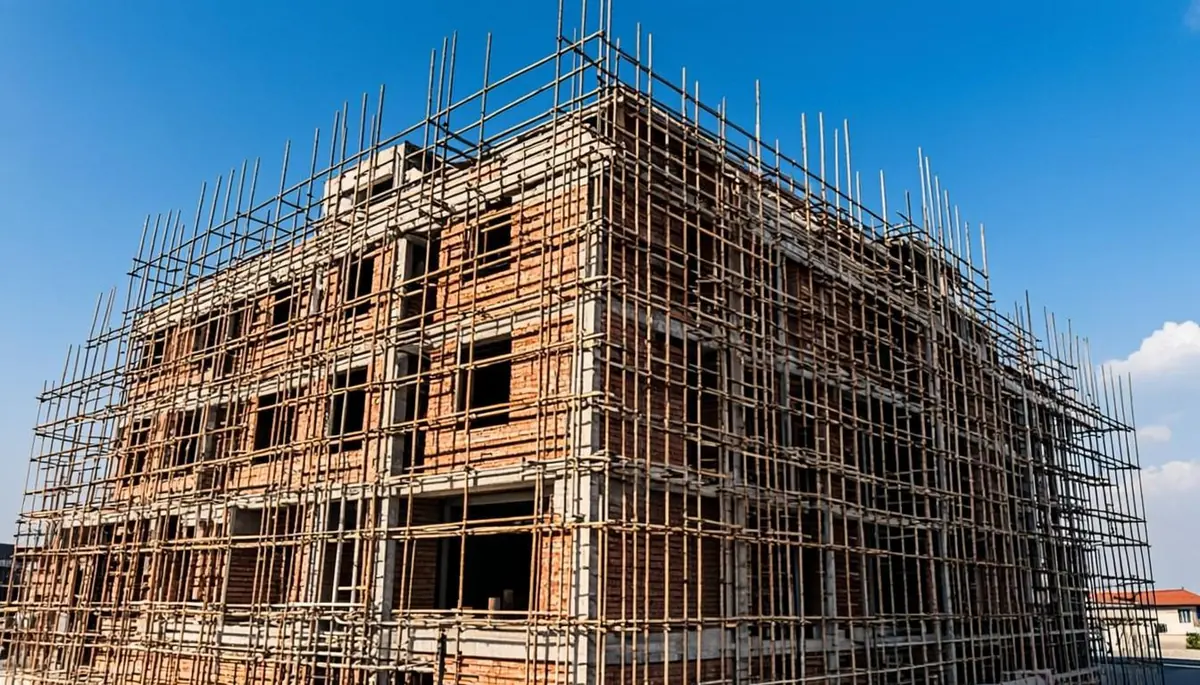
Every February, our yard on Karimpura Road gets busy in a way it does not in January — the first trolleys of the season line up, and the phone starts ringing with the same question: "is now the right time to start?" And every July, the same callers ask the opposite: "barsaat shuru ho gayi — should we wait?"
Here is the honest answer from a materials point of view: you can build a house in Jhelum in any month of the year — materials do not take holidays. But weather changes how the work behaves, how fast it moves, and sometimes what it costs. So instead of a magic month, aim for one of two smart windows. Let me walk through it the way we explain it across the counter.
What Each Season Actually Does to Your Build
Monsoon (July–August)
Excavation and foundations in active rain are miserable work — pits fill with water, walls of the excavation cave at the edges, and every trolley of bricks or gassu arrives wet and messy. Wet sand is the hidden trap: masons who do not adjust the water in the mix for soaked sand end up with sloppy mortar. On the flip side, rain does one thing for free — it cures your concrete beautifully. Ask anyone who poured a slab in August: nature handled the watering.
Winter (December–January)
Cold nights and fog slow everything down. Cement chemistry simply runs slower in the cold — concrete and mortar gain strength gradually, and icy curing water does not help. Nothing dramatic, but timelines stretch, and fog days eat into supply schedules. Work continues all winter in Jhelum; it just breathes slower.
Peak Season (roughly February–June)
Ideal weather, fast setting times, quick progress — and therefore the season when every good mistri is booked, every trolley is busy, and material demand across the market hardens. Our cement rate guide explains why rates move daily; seasonal demand is a big part of that picture.
The Two Windows Local Builders Actually Aim For
Window 1 — start foundation in September–October, right after the monsoon ends. The ground has drained, excavation is clean, and your grey structure rises through the dry autumn and winter months. Your first slab can go down before the worst of the summer heat, with long curing days in spring.
Window 2 — start in February–March, after the winter fog lifts. Foundation and masonry run through comfortable spring weather, the roof goes on in early summer, and curing is easy in the long June days. This is the window the busiest local builders aim for — which is exactly why you must book your mistri early if you want it.
What we do not recommend is starting earthwork in the middle of July. It is not impossible — people do it — but you spend money solving problems (pumps, mud, re-dressing pits) that starting six weeks later would have avoided.
A Few Practical Truths From the Yard
- Book your mistri before the season, not during it. Good teams fill their calendars by January for the February–June run.
- Test your sand; do not guess the water. Wet sand needs less added water in the mix. This one habit saves more strength than any brand choice. See our guide on Ravi and Chenab sand.
- Store cement like it matters. Whatever the month, bags off the ground and under cover — our cement shelf-life guide shows what one humid month of bad storage does.
- Plan pours around the forecast. A slab poured the day before a heavy rain spell will need covering and care. Your engineer will have views here — listen to them.
- Buy in lots against your schedule. You do not need the whole project's cement in month one. Fresh lots closer to each stage beat a mountain of bags going stale in the corner.
Tell Us Your Start Month
If you know roughly when you will break ground, tell us — we will suggest what makes sense to buy first, what can wait three months, and what today's rates look like for the lot you need now. Call or WhatsApp +92 331 5083 648, or send us your plan through the contact page. And if you want the full sequence from foundation to finishing first, our step-by-step construction guide walks through every stage.
Ordering & Rates — Confirmed on Call
Material rates change daily, so we confirm everything directly with you.
Today's rate, not yesterday's: Cement, steel, bricks, sand, crush and paint rates move with the market, sometimes daily. Call or WhatsApp +92 331 5083 648 and our team confirms the day's exact figure for your brand and quantity in minutes.
Straight, itemised quotes: Tell us your material list — a paper chit, a photo of your plan or just your plot size and stage. You get brand, grade and quantity spelled out, and the figure is locked only with an official order and advance payment.
Everything confirmed personally: Availability, quantities, timing and how the material reaches you — we confirm all of it with you directly before anything is finalised. No surprises at loading.
Full details in our Contact page — or call / WhatsApp +92 331 5083 648 and we will go through your list and today's rate in minutes.
Good to Know Before You Act
Two honest notes about everything published in our guides.
We don't publish fixed rates: material rates in Pakistan change daily, so nothing on this site is a price list. The final and correct rate is always the one our team confirms with you on the day. Call or WhatsApp +92 331 5083 648 for today's exact figure — a rate is locked only with an official order and advance payment.
Guidance, not instructions: quantities, mix ratios and methods described in our guides are general educational guidance for your specific site you should verify — outcomes depend on site conditions, water quality, handling, curing, storage and workmanship. Before you act, always speak with your engineer, contractor or a qualified professional — or ask our team for guidance on materials.
Planning a stage of your project? Contact us first — we will gladly go through your material list, today's rate and the right products for your site before you buy.
Related Articles
Grey Structure Cost of a 5 Marla House (2026): Full Breakdown
Two quotes, miles apart, one missing half its scope. What a 5 marla grey structure includes, the material quantities behind it for single and double story, and where quotes go wrong.
Lanter (Lintel) Beams and Porch Roofs: Cement, Saria and Cracks You Can Avoid
A crack two winters old, right above a door. Nine times out of ten the lanter is the story — here is how lintels and porch roofs are done around Jhelum.
10 Marla House Construction Cost in Pakistan (2026) — Full Breakdown
What a 10 marla house really costs in 2026: grey structure quantities (bricks, cement, steel, sand, crush), labour rates, finishing costs and realistic total budgets from economy to premium.