Cement Brands in Pakistan: Which Cement is Best for House Construction
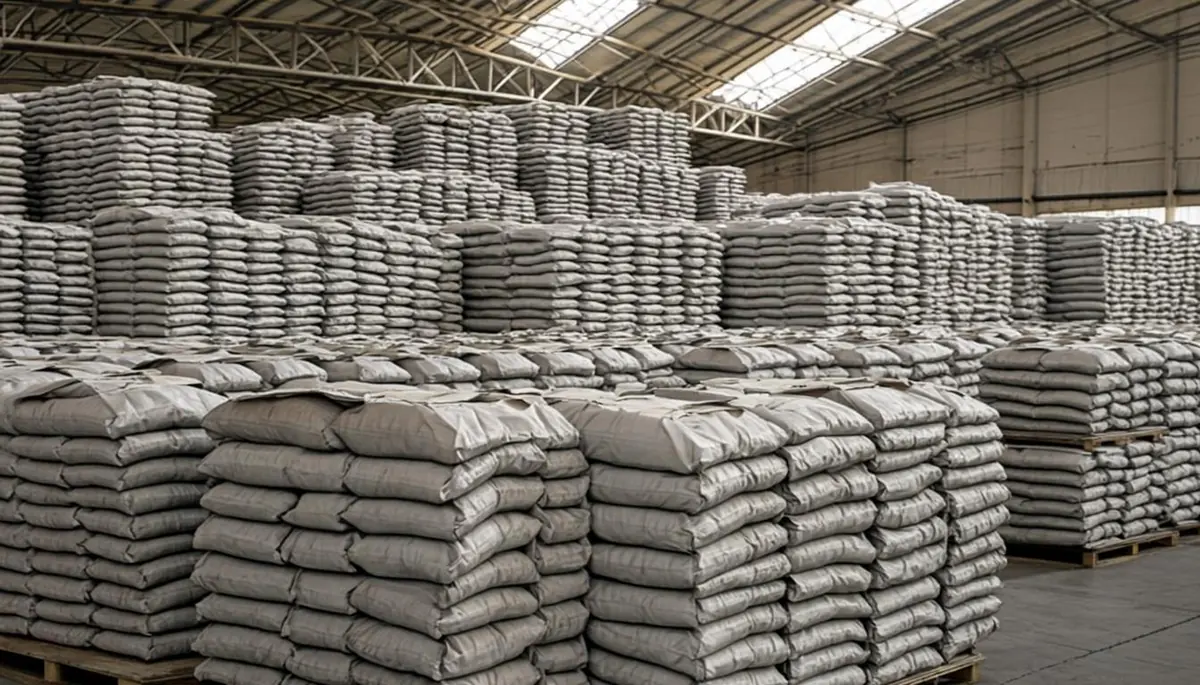
Walk into our yard in Jhelum and you'll see neat stacks of cement bags — but we deliberately keep our range focused. Cherat, Fecto and Flying Pakistan are our core stock, with Bestway, Maple Leaf White Cement and Happilac tile bonds (20kg & 40kg) rounding out the shelf. They all look similar, but they're not all the same — and choosing the wrong cement for the wrong purpose can lead to cracks, weak slabs and costly repairs.
I've been supplying cement to homeowners and contractors in Jhelum for years through Khokhar Building Material Supplier. Here's what I tell customers when they ask "Which cement brand is best?" — and why the answer isn't as simple as picking the most expensive one.
Types of Cement Used in Pakistan
Before comparing brands, understand the types of cement available:
Ordinary Portland Cement (OPC) Grade 53 — the everyday cement of Pakistani house construction and the grade our local market knows and buys. It supplies the strength needed for foundations, columns, slabs and beams, and it works just as well for brick masonry and plaster.
PPC (Portland Pozzolana Cement) — the other type our customers ask for. Its slower, cooler set gives extra working time and a smoother finish, which is why many masons prefer it for brick masonry, plaster and non-structural work.
Locally, these two — OPC 53 grade and PPC — are what we deal in. Other special types are rarely asked for around Jhelum, so we keep our shelf focused on what the local market actually builds with.
The Cement Brands We Stock (2026)
Cherat Cement — our lead brand for structural work. Reliable OPC 53 for slabs, columns, beams and foundations, with consistent quality from batch to batch. If you want one bag for the whole grey structure, this is the one we put on our own projects.
Fecto Cement — a strong all-rounder that local contractors keep coming back to. Good early strength for columns and beams, and easy workability for masonry.
Flying Pakistan Cement — dependable value for brick masonry and plaster. Fresh, factory-sealed stock at an honest rate.
Bestway Cement — consistent quality and wide availability. A trusted name for general construction work.
Maple Leaf White Cement — the finishing specialist: tile grouting, decorative finishes and repairs where a clean white finish matters.
Happilac Tile Bonds (20kg & 40kg) — not a cement brand but a shelf neighbour: ready-mixed tile adhesive for floors and walls, available in 20kg and 40kg bags.
What does each brand cost today? Cement rates change daily, so we don't publish per-bag prices — a number printed today would be wrong tomorrow. Call or WhatsApp +92 331 5083 648 with your brand and quantity and we'll confirm the day's rate in minutes. A rate is locked only with an official order and advance payment.
Which Cement to Use Where?
Here's my practical recommendation based on years of supplying houses in Jhelum:
| Construction Element | Recommended Cement | Why |
|---|---|---|
| Foundation (normal soil) | OPC 53 — Cherat or Fecto | High strength and durability |
| Foundation (sulphate soil) | OPC 53 + expert advice | Ask your engineer before the pour |
| RCC slab, columns, beams | OPC 53 — Cherat / Fecto | Structural element, no compromises |
| Brick masonry | OPC 53 — Flying Pakistan or Bestway | Fresh, reliable bags at honest rates |
| Plaster | OPC 53 — Flying Pakistan or Bestway | Smooth, workable finish |
| Tile fixing | Happilac Tile Bond | Ready-mixed adhesive, 20kg & 40kg |
| White finishes & grouting | Maple Leaf White | Clean white finish |
The key insight: our local market builds with one grade — OPC 53 — from fresh, factory-sealed bags of a trusted brand. If your soil report or structural drawings call for something different, speak with your engineer first; they decide the specification, and we supply it fresh.
How to Check Cement Quality
Check the manufacturing date. Cement loses strength over time — by 3 months it can lose 20–30% of its strength:
| Age of Cement | Strength Loss | Recommendation |
|---|---|---|
| Less than 1 month | None | Best to use |
| 1–2 months | 5–10% | Good to use |
| 2–3 months | 10–20% | Acceptable |
| 3–6 months | 20–30% | Avoid for structural work |
| Over 6 months | 30%+ | Don't use |
At Khokhar Building Material Supplier we rotate stock properly and never sell old cement — but not every shop is this careful.
Visual inspection:
- No lumps in the bag — lumps mean moisture has entered
- Powder should be fine and flow freely when you squeeze a handful
- Colour should be uniform grey-green
- Bag should be properly sealed with no tears
Feel test: put your hand inside the bag (wear gloves). Good cement feels cool — if it feels warm, it has already started hydrating and lost strength.
Float test: throw a small handful into a bucket of water. Good cement sinks slowly; if it floats, it's been adulterated with ash or fillers.
Cement Quantity Guide
How much cement typical construction elements need:
| Construction Element | Cement per Unit | For 5 Marla House |
|---|---|---|
| Foundation concrete | 6–8 bags per 100 sq ft | 60–80 bags |
| Brickwork (9" wall) | 0.3 bags per sq ft | 150–200 bags |
| RCC slab | 0.8–1 bag per sq ft | 120–160 bags |
| Plaster (both sides) | 0.1 bags per sq ft | 80–100 bags |
| Flooring | 0.15 bags per sq ft | 40–50 bags |
| Total for 5 marla | 450–590 bags |
For a detailed plaster-specific breakdown, read our plaster calculation guide.
Smart Buying Strategy
- One grade, honest rates — OPC 53 across structure, masonry and plaster; ask us and we'll quote today's rate
- Buy in batches — don't buy all 500+ bags at once; cement goes stale. Buy 150–200 bags at a time as needed
- Check each supply — verify the manufacturing date and bag condition before accepting
- Store properly — wooden pallets (never the floor), dry covered area, stacked max 8 bags high
- Buy from authorised dealers — genuine product, fresh stock, and a proper invoice
Common Cement Mistakes
- Using old cement for slabs — structural elements need fresh, full-strength cement
- Mixing brands in one batch — different brands have different setting times; never mix them in the same concrete batch
- Adding extra water for workability — extra water means weaker concrete; use plasticizers instead
- Not curing properly — concrete needs moisture for at least 7 days after pouring; without curing even the best cement won't reach strength
- Choosing cement on price alone — the cheapest bag on the market is often old or re-bagged; always check the manufacturing date
Final Recommendation
Keep it simple: OPC Grade 53 from a trusted brand — Cherat or Fecto for structural elements (foundation, columns, slab) and Flying Pakistan or Bestway for masonry and plaster. If your soil test shows unusual conditions, speak with your engineer before the foundation pour — they decide the specification, and we supply it fresh.
A few practical notes: cement rates change daily — confirm today's rate with us before budgeting. And whatever ratio or brand you choose, always speak with your engineer, contractor or a qualified professional before acting — site conditions decide the final call, not a blog post.
For more on how cement fits into your overall budget, read our construction rate per square foot guide and 5 marla house cost breakdown. Planning your slab? The RCC slab design guide covers steel and cement quantities in detail. Need today's cement rate or a bulk supply arrangement (350–500 bags)? Call +92 331 5083 648 — we supply from our Jhelum yard.
Ordering & Rates — Confirmed on Call
Material rates change daily, so we confirm everything directly with you.
Today's rate, not yesterday's: Cement, steel, bricks, sand, crush and paint rates move with the market, sometimes daily. Call or WhatsApp +92 331 5083 648 and our team confirms the day's exact figure for your brand and quantity in minutes.
Straight, itemised quotes: Tell us your material list — a paper chit, a photo of your plan or just your plot size and stage. You get brand, grade and quantity spelled out, and the figure is locked only with an official order and advance payment.
Everything confirmed personally: Availability, quantities, timing and how the material reaches you — we confirm all of it with you directly before anything is finalised. No surprises at loading.
Full details in our Contact page — or call / WhatsApp +92 331 5083 648 and we will go through your list and today's rate in minutes.
Good to Know Before You Act
Two honest notes about everything published in our guides.
We don't publish fixed rates: material rates in Pakistan change daily, so nothing on this site is a price list. The final and correct rate is always the one our team confirms with you on the day. Call or WhatsApp +92 331 5083 648 for today's exact figure — a rate is locked only with an official order and advance payment.
Guidance, not instructions: quantities, mix ratios and methods described in our guides are general educational guidance for your specific site you should verify — outcomes depend on site conditions, water quality, handling, curing, storage and workmanship. Before you act, always speak with your engineer, contractor or a qualified professional — or ask our team for guidance on materials.
Planning a stage of your project? Contact us first — we will gladly go through your material list, today's rate and the right products for your site before you buy.
Related Articles
10 Mistakes to Avoid When Buying Building Materials in Pakistan (2026)
Most building material losses in Pakistan never show up on a receipt: cement that lost strength in storage, bricks judged by colour alone, sand accepted without a test, steel never weighed. Ten mistakes to avoid — and the simple checks that catch them.
Building Materials List for a 5 Marla House (With Quantities)
The full 5 marla grey-structure material list in one place — bricks, cement, steel, sand and crush quantities, stage by stage, from the yard that supplies Jhelum daily.
Saria Weight Per Foot: 2, 3, 4, 5 & 6 Sutar Chart (2026)
The munshi says one weight, the kanta says another. The sutar-to-weight chart that settles every saria argument: 2 to 6 sutar in mm, kg per foot, per meter and per 40-foot bar.