Plaster Calculation: How Much Cement and Sand for Plastering
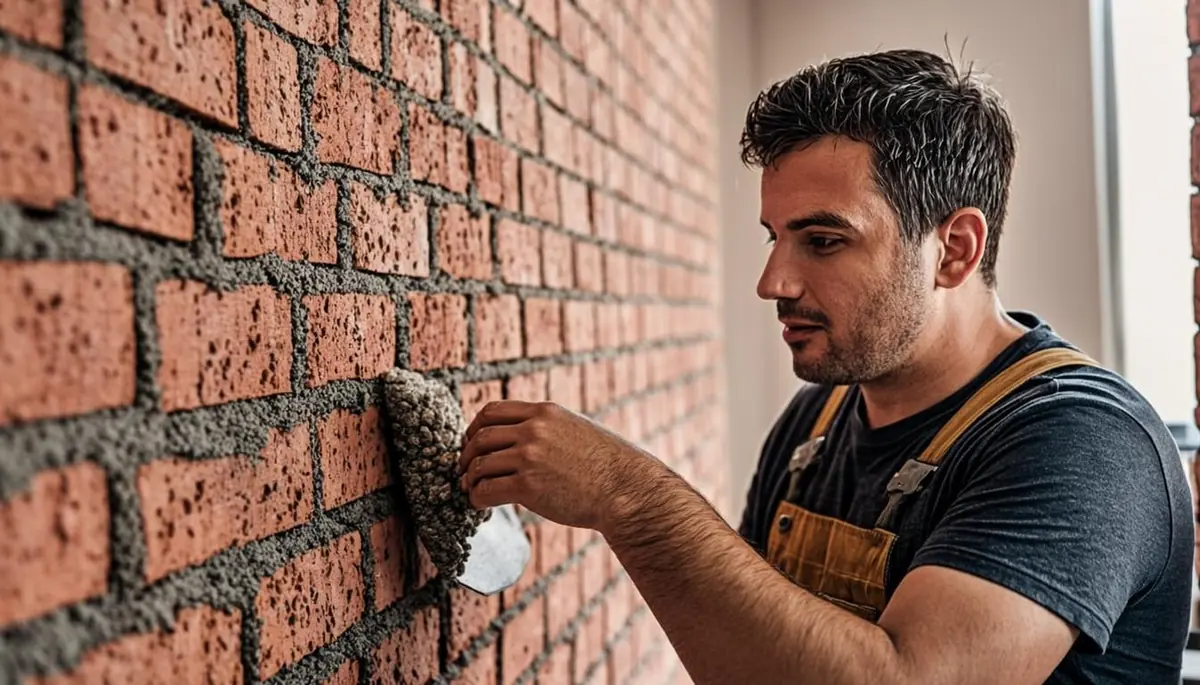
After your walls go up, the next big material expense is plaster. Get the calculation wrong and you'll either run out of cement mid-project or end up with 20 extra bags sitting in your store room. Neither is good.
At Khokhar Building Material Supplier, I help homeowners calculate plaster quantities every week. The good news is that plaster calculation follows a straightforward formula — you just need to know your wall area and the right mix ratio.
What is Plastering and Why It Matters
Plaster is a layer of cement-sand mortar applied to brick walls to:
- Protect bricks from weather damage
- Create a smooth surface for paint
- Fill gaps and level uneven brickwork
- Improve the appearance of walls
In Pakistan, we typically apply two coats of plaster:
- Base coat (undercoat): 12-15mm thick, rougher finish
- Finishing coat: 5-8mm thick, smooth finish
Total plaster thickness is usually 15-20mm (5/8 to 3/4 inch) for internal walls and 20-25mm for external walls.
Standard Plaster Mix Ratios
The mix ratio tells you how much cement and sand to use:
| Mix Ratio (Cement:Sand) | Use Case | Thickness |
|---|---|---|
| 1:3 | External walls, high-strength plaster | 20mm |
| 1:4 | Internal walls (most common) | 15mm |
| 1:5 | Ceiling plaster | 12mm |
| 1:6 | Boundary walls, non-critical areas | 15mm |
For a typical house in Jhelum, 1:4 is the standard for internal walls and 1:3 for external walls.
Plaster Calculation Formula
Here's the step-by-step method:
Step 1: Calculate Wall Area
Wall area (sq ft) = Length (ft) × Height (ft)
Deduct openings (doors, windows):
Net plaster area = Total wall area - Door area - Window area
Step 2: Calculate Wet Volume of Plaster
Wet volume = Net area × Plaster thickness
Convert thickness from mm to feet:
- 12mm = 0.0394 ft
- 15mm = 0.0492 ft
- 20mm = 0.0656 ft
Step 3: Add Wastage Factor
Add 20% for wastage and uneven surfaces:
Total wet volume = Wet volume × 1.20
Step 4: Convert to Dry Volume
Dry volume is about 1.33 times wet volume (because dry materials mix with water and shrink):
Dry volume = Total wet volume × 1.33
Step 5: Calculate Cement and Sand
Based on your mix ratio:
Cement volume = Dry volume × (Cement ratio / Sum of ratio)
Sand volume = Dry volume × (Sand ratio / Sum of ratio)
Convert cement volume to bags (1 bag = 1.25 cft):
Cement bags = Cement volume ÷ 1.25
Practical Example: Plaster for a Room
Let's calculate plaster material for a standard room:
- Room: 12 ft × 14 ft, 10 ft height
- One door: 3.5 ft × 7 ft
- One window: 4 ft × 4 ft
- Plaster: Internal walls, 1:4 mix, 15mm thick
- Both sides of walls? No — internal room, plaster on inside only
Step 1: Wall Area
- Wall 1 + Wall 3: 2 × (12 × 10) = 240 sq ft
- Wall 2 + Wall 4: 2 × (14 × 10) = 280 sq ft
- Total wall area: 520 sq ft
Deductions:
- Door: 3.5 × 7 = 24.5 sq ft
- Window: 4 × 4 = 16 sq ft
- Total deductions: 40.5 sq ft
Net plaster area: 520 - 40.5 = 479.5 sq ft
Step 2: Wet Volume
Wet volume = 479.5 × 0.0492 (15mm in feet) = 23.6 cft
Step 3: Add Wastage (20%)
Total wet volume = 23.6 × 1.20 = 28.3 cft
Step 4: Dry Volume
Dry volume = 28.3 × 1.33 = 37.6 cft
Step 5: Calculate Cement and Sand (1:4 mix)
Sum of ratio = 1 + 4 = 5
Cement volume = 37.6 × (1/5) = 7.52 cft Sand volume = 37.6 × (4/5) = 30.08 cft
Cement bags = 7.52 ÷ 1.25 = 6 bags Sand = 30 cft (approximately 1 truck trolly)
Quick Reference: Cement and Sand per 100 sq ft
Here's a quick table for common plaster thicknesses and mix ratios:
| Mix Ratio | Thickness | Cement (bags per 100 sq ft) | Sand (cft per 100 sq ft) |
|---|---|---|---|
| 1:3 | 20mm (external) | 2.8 bags | 10.5 cft |
| 1:4 | 15mm (internal) | 1.3 bags | 6.5 cft |
| 1:5 | 12mm (ceiling) | 0.9 bags | 4.5 cft |
| 1:6 | 15mm (boundary) | 1.0 bags | 6.0 cft |
Full House Plaster Calculation (5 Marla)
For a typical 5 marla double-story house in Jhelum:
| Area | Sq Ft | Mix | Cement (bags) | Sand (cft) |
|---|---|---|---|---|
| Internal walls (both floors) | 4,000 | 1:4 | 52 | 260 |
| External walls (both floors) | 2,500 | 1:3 | 70 | 263 |
| Ceiling (both floors) | 2,200 | 1:5 | 20 | 99 |
| Boundary wall | 1,000 | 1:6 | 10 | 60 |
| Total | 9,700 | 152 bags | 682 cft |
Add 10% extra for wastage:
- Cement: ~167 bags
- Sand: ~750 cft
Cost of Plaster for a 5 Marla House
At 2026 rates:
| Material | Quantity | Rate | Total (PKR) |
|---|---|---|---|
| Cement (OPC) | 167 bags | today's rate | call us |
| Sand (Channan) | 750 cft | Rs 45/cft | 33,750 |
| Waterproofing compound | 20 kg | Rs 350/kg | 7,000 |
| Labor (plaster work) | — | — | 180,000-250,000 |
| Total plaster cost | call us for a full quotation at today's rates |
For a full house budget, add this to your construction cost per square foot estimate.
Types of Plaster Used in Pakistan
Cement Plaster (Most Common)
Standard cement-sand mix. What 90% of houses use. Durable, economical, good base for paint.
Lime Plaster
Traditional method, rarely used now except in heritage buildings. Better breathability than cement plaster but weaker.
POP (Plaster of Paris)
Used for finishing coat on ceilings and decorative cornices. Applied over cement plaster. Gives very smooth finish. Costs Rs 25-40 per sq ft.
Gypsum Plaster
Modern alternative to cement plaster for internal walls. Pre-mixed, faster application, smoother finish. Costs Rs 35-55 per sq ft but reduces paint consumption.
Waterproof Plaster
Cement plaster mixed with waterproofing compounds. Used in bathrooms, kitchens, and external walls. Add Rs 2-3 per sq ft to regular plaster cost.
Plaster Application Process
1. Surface Preparation
- Clean the brick surface — remove dust, loose mortar, and debris
- Wet the wall thoroughly before plastering (prevents bricks from absorbing water from plaster)
- Fill any deep holes or gaps with mortar first
- If wall is very smooth, roughen it with a chisel for better bonding
2. Setting Out
- Fix level pegs (dots) on the wall at regular intervals to maintain uniform thickness
- Use a plumb bob to check vertical alignment
- Create vertical guides (saria or wooden battens) at 3-4 feet spacing
3. Apply Base Coat
- Apply mortar between guides using trowel
- Start from bottom and work upward
- Level with a straight edge (darma) resting on guides
- Surface should be rough for bonding with finishing coat
- Let base coat set for 24-48 hours
4. Apply Finishing Coat
- Wet the base coat before applying
- Apply thin layer (5-8mm) of finer mix
- Smooth with steel trowel (float)
- Final surface should be even and smooth
- Check with a straight edge for any high or low spots
5. Curing
- Start curing 24 hours after finishing
- Keep surface moist for 7 days minimum
- Splash water 2-3 times daily
- Proper curing prevents cracks and ensures strength
Common Plaster Problems and Solutions
Cracks in Plaster
Causes: Poor curing, excessive cement in mix, structural movement, different materials meeting at same junction (like RCC column and brick wall)
Solution: Use mesh (chicken wire) at junctions of different materials. Maintain correct mix ratio. Cure properly.
Hollow Sound When Tapped
Causes: Poor bonding between plaster and wall, insufficient wetting of wall before plastering
Solution: Remove hollow section and re-plaster. Always wet the wall before applying plaster.
Dampness on Plaster
Causes: Water seepage from outside, plumbing leaks, rising damp from foundation
Solution: Fix the source of moisture first. Use waterproof plaster for affected areas. Apply waterproofing coating.
Uneven Surface
Causes: Inexperienced mason, poor level checking, wrong guides
Solution: Use proper guides and check with straight edge frequently. Re-plaster uneven sections before paint.
Tips for Saving Money on Plaster
- Order exact quantities — Use the calculation method above. Don't over-order cement.
- Use correct mix ratio — Don't use 1:3 when 1:4 is sufficient. Extra cement doesn't mean better plaster.
- Buy sand in bulk — Sand is cheaper per cft when you buy a full truck (300+ cft) vs small quantities.
- Hire experienced masons — Good masons waste less material and finish faster, saving labor cost.
- Don't skip curing — Properly cured plaster lasts decades without issues. Skipping curing leads to repairs.
Plaster vs Other Wall Finishes
| Option | Cost per sq ft | Lifespan | Best For |
|---|---|---|---|
| Cement plaster + paint | Rs 45-60 | 10-15 years | General construction |
| Gypsum plaster | Rs 55-75 | 8-12 years | Premium interior finish |
| POP finish | Rs 65-85 | 5-8 years | Ceilings, decorative work |
| Tile cladding | Rs 150-400 | 20+ years | Kitchens, bathrooms, exterior |
For most houses in Jhelum, standard cement plaster with quality paint is the most practical and cost-effective option. For premium interiors, consider gypsum plaster for living rooms and master bedrooms.
Material Buying Tips
When buying cement and sand for plaster:
- Cement: Use OPC 53 grade or PPC for plaster — both are what we deal in. Good plaster depends more on sand quality, water and curing than on the bag. Check our cement brands guide for recommendations.
- Sand: Use Channan (river sand) for plaster — it's finer and gives smoother finish than Chenab sand. Avoid sand with excessive clay content.
- Waterproofing compound: Add to plaster mix for bathrooms and exterior walls. Brands like Sika, Fosroc, and Conqree are commonly available.
At Khokhar Building Material Supplier, we stock all these materials and can help you calculate exact quantities for your project. Bring your house plan and we'll work out the numbers together.
For other material calculations, check our brick calculation formula and RCC slab guide. Getting every material estimate right keeps your construction on budget and prevents mid-project supply shortages.
Plaster might seem like a simple finishing layer, but it's what protects your walls and provides the base for everything visible. Calculate it right, apply it properly, and your walls will look good and stay strong for decades. ===END===
Delivery Areas & Charges
Plain and simple — here is exactly how delivery works at Khokhar Traders.
Where we deliver: Locally within about 10–15 km of Jhelum city centre — Jhelum City, Civil Lines, Bilal Town, Kala Gujran, Haji Aima, Kotla Aima, Katchery, Mohamdi Chowk, Chishtian Mohallah, Madina Town, CITI Housing, and many more areas around Jhelum city centre. A little further out? We may still be able to deliver with extra charges — just ask.
Delivery charges: Agreed at the time of order. Share your location with our team and we calculate the exact distance, then confirm a fair delivery charge before anything is loaded. Prefer to save on transport? You are welcome to arrange your own transport.
Ex-shop rates vs delivered rates: Shop materials — cement, iron rebars (sariya), chips, tile bonds, paints, hardware — are priced at ex-shop rates: either we deliver at the agreed charge, or you arrange your own transport. Loose materials — sand, aggregate (crush), soil and gassu for foundation filling, and bricks on a full trolley — usually come with delivery included.
Full-truck cement delivery: We can deliver a full truck of 350–500 cement bags straight to your site (if a bigger truck can safely reach it). A small loader carries only 25–35 bags per trip — one full truck saves you many loader runs and real money on local transport.
Rates change daily: A rate confirmed over the phone is valid for that time of day only. A rate is locked with an official order and advance payment — we confirm the final rate and delivery charge together before dispatch.
Full details in our Shipping Policy — or call / WhatsApp +92 331 5083 648 and we will confirm today's rate and your delivery charge in minutes.
Good to Know Before You Act
Two honest notes about everything published in our guides.
Rates are market estimates and they change daily: any price or rate mentioned in our guides is an indicative market estimate for planning only — material rates in Pakistan fluctuate, sometimes daily. It does not matter what a guide, blog or old quotation says — the final and correct rate is always the one our team confirms with you on the day. Call or WhatsApp +92 331 5083 648 for today's exact price. A rate is locked only with an official order and advance payment.
No warranty on results — always speak to a professional first: quantities, mix ratios, material suggestions and methods described in our guides are general educational guidance, not instructions for your specific site. Results after mixing or using any material in any ratio depend on site conditions, water quality, handling, curing, storage and workmanship — we do not warrant or guarantee any result arising from following general guidance. Before you act, always speak with your engineer, contractor or a qualified professional — or ask our team for guidance on materials.
Planning a stage of your project? Contact us first — we will gladly go through your material list, today's rates and the right products for your site before you buy.
Related Articles
Tile Bond vs Cement Mortar for Fixing Tiles — What Actually Holds
Why floor tiles sound hollow within a year, when ordinary cement mortar is fine, when a proper tile adhesive earns its keep, and how far one 20kg bag of tile bond really goes.
White Cement in Pakistan — 7 Everyday Uses We See From Our Counter
Maple Leaf white cement is not just for masons — grout lines, crack filling, elevation borders, pots and crafts. Where white cement beats wall putty, where putty wins, and how to apply it so it stays white.
How Long Does a Cement Bag Last? Shelf Life, Storage & Quick Checks
A cement bag is not wine — it does not improve with age. Why cement loses strength in humid storage, how to read the packing date, four quick checks before you accept a bag, and how fresh stock should be handled.