White Cement in Pakistan — 7 Everyday Uses We See From Our Counter
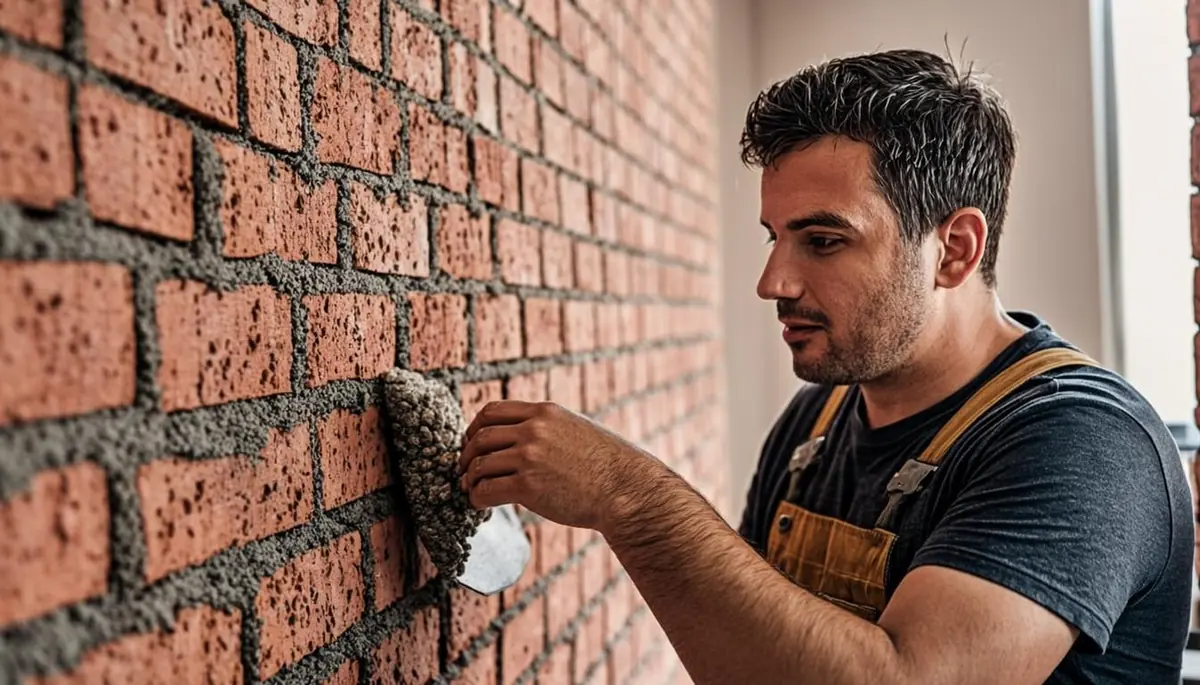
Twice in the same morning recently, two very different customers asked for the same thing. First a builder, buying full bags for the white bands and borders on a house elevation in Citi Housing. Then a university student, wanting the smallest pack on the shelf to make painted plant pots for a university project. Both asked for white cement. Both were surprised the other existed.
White cement is one of those products almost every house project touches at some point, yet few people know what it actually is or when to choose it over wall putty. Here is the plain version of what we tell people at our counter.
What White Cement Actually Is
White cement comes from the same family as the ordinary grey OPC you use in slabs and columns — it is made and tested the same way, with the same setting behaviour. The difference is the raw material: it is burned from limestone with almost no iron and other colouring oxides in it, which gives it that clean white colour. It sets, hardens and gains strength like a proper cement — which is exactly why it does jobs that paint and plaster cannot.
The 7 Uses We See Every Week
1. Filling tile joints and grout lines. A stiff white-cement paste pressed into the joints between tiles — bathroom walls, kitchen floors, terraces — leaves clean white lines and seals the gap against water. For coloured grouts there are dedicated products, but for plain white lines, this is the classic fix.
2. Crack and gap filling before paint. Hairline cracks in plaster, gaps around door frames, chipped wall corners — a putty knife and a white cement paste fill them harder than filler alone. It takes paint beautifully afterwards.
3. White borders and elevation bands. Those crisp white horizontal bands, parapet trims and jharoka-style borders on new house fronts? Almost always white cement render, done by hand. It weathers far better than white paint alone on a sun-baked elevation.
4. Small skim repairs. Mixed to a creamy paste, it smooths small rough patches and repair scars before the painter arrives — the old-school trick painters used before ready-made putty filled every shelf.
5. Bedding marble thresholds. Fixers bed marble sills and thresholds on white cement so any squeeze-out at the edge stays invisible instead of leaving a grey stain.
6. Re-whitening tired grout. Old tile joints that have gone grey with age can be raked out slightly and re-filled with fresh white cement paste. Cheaper than re-tiling, and it lifts the whole room.
7. Pots, crafts and school projects. Flower pots, name plates, small cast shapes — mix it with water (and a little sand if you like), pour into a mould, cure it, then paint it. It is stronger than plaster of Paris and does not crumble.
White Cement vs Wall Putty — Which One Do You Need?
People mix these up all the time, so here is the honest split:
- Wall putty is white cement with added polymers and fine minerals — it is engineered for thin skim coats over whole walls before painting. For a full room getting ready for emulsion, use putty. It spreads finer, sands smoother and grips paint well.
- White cement paste is the tool for repairs, joints, borders and anything thick or structural. It hardens with real strength, so it survives knocks and weather in a way a thin putty skin cannot.
One warning we give everyone: do not put thick white-cement-based coats on exterior walls right before painting without asking your painter first. On big outside surfaces, the way putty-type coats age under sun and rain varies — your painter knows the products he works with, so let him choose what goes under his paint.
How to Apply It So It Stays White
- Clean the surface — dust and loose particles kill adhesion.
- Dampen slightly — a moist (not wet) surface, the same logic as any cement work.
- Mix fresh, small batches. It starts setting within the hour; do not try to revive a stiffening mix with more water.
- Cure it gently. Keep repairs lightly damp for a day or two in warm weather. Cement that dries too fast stays soft and chalky.
- Paint or seal over it once fully dry, especially outdoors.
What We Stock
At Khokhar Traders we keep Maple Leaf White Cement — the brand most local fixers ask for by name. Ask us for the pack sizes we currently have in stock; the smaller packs go fast with the craft and repair crowd, so it is worth a quick call before you drive over: +92 331 5083 648. Our materials yard is on Karimpura Road, Jhelum — come and pick what you need off the shelf.
Delivery Areas & Charges
Plain and simple — here is exactly how delivery works at Khokhar Traders.
Where we deliver: Locally within about 10–15 km of Jhelum city centre — Jhelum City, Civil Lines, Bilal Town, Kala Gujran, Haji Aima, Kotla Aima, Katchery, Mohamdi Chowk, Chishtian Mohallah, Madina Town, CITI Housing, and many more areas around Jhelum city centre. A little further out? We may still be able to deliver with extra charges — just ask.
Delivery charges: Agreed at the time of order. Share your location with our team and we calculate the exact distance, then confirm a fair delivery charge before anything is loaded. Prefer to save on transport? You are welcome to arrange your own transport.
Ex-shop rates vs delivered rates: Shop materials — cement, iron rebars (sariya), chips, tile bonds, paints, hardware — are priced at ex-shop rates: either we deliver at the agreed charge, or you arrange your own transport. Loose materials — sand, aggregate (crush), soil and gassu for foundation filling, and bricks on a full trolley — usually come with delivery included.
Full-truck cement delivery: We can deliver a full truck of 350–500 cement bags straight to your site (if a bigger truck can safely reach it). A small loader carries only 25–35 bags per trip — one full truck saves you many loader runs and real money on local transport.
Rates change daily: A rate confirmed over the phone is valid for that time of day only. A rate is locked with an official order and advance payment — we confirm the final rate and delivery charge together before dispatch.
Full details in our Shipping Policy — or call / WhatsApp +92 331 5083 648 and we will confirm today's rate and your delivery charge in minutes.
Good to Know Before You Act
Two honest notes about everything published in our guides.
Rates are market estimates and they change daily: any price or rate mentioned in our guides is an indicative market estimate for planning only — material rates in Pakistan fluctuate, sometimes daily. It does not matter what a guide, blog or old quotation says — the final and correct rate is always the one our team confirms with you on the day. Call or WhatsApp +92 331 5083 648 for today's exact price. A rate is locked only with an official order and advance payment.
No warranty on results — always speak to a professional first: quantities, mix ratios, material suggestions and methods described in our guides are general educational guidance, not instructions for your specific site. Results after mixing or using any material in any ratio depend on site conditions, water quality, handling, curing, storage and workmanship — we do not warrant or guarantee any result arising from following general guidance. Before you act, always speak with your engineer, contractor or a qualified professional — or ask our team for guidance on materials.
Planning a stage of your project? Contact us first — we will gladly go through your material list, today's rates and the right products for your site before you buy.
Related Articles
Tile Bond vs Cement Mortar for Fixing Tiles — What Actually Holds
Why floor tiles sound hollow within a year, when ordinary cement mortar is fine, when a proper tile adhesive earns its keep, and how far one 20kg bag of tile bond really goes.
How Long Does a Cement Bag Last? Shelf Life, Storage & Quick Checks
A cement bag is not wine — it does not improve with age. Why cement loses strength in humid storage, how to read the packing date, four quick checks before you accept a bag, and how fresh stock should be handled.
Steel (Sariya) Rate in Pakistan 2026 — Per Ton, Per KG + House Guide
Today's sariya rates in Pakistan for 2026: price per ton and per kg for 3 to 8 sutar bars, the D²/162 weight formula with worked examples, and how many tons a 3, 5, 10 marla or 1 kanal house needs.