Brick Rate in Jhelum 2026: Current Prices and Buying Tips
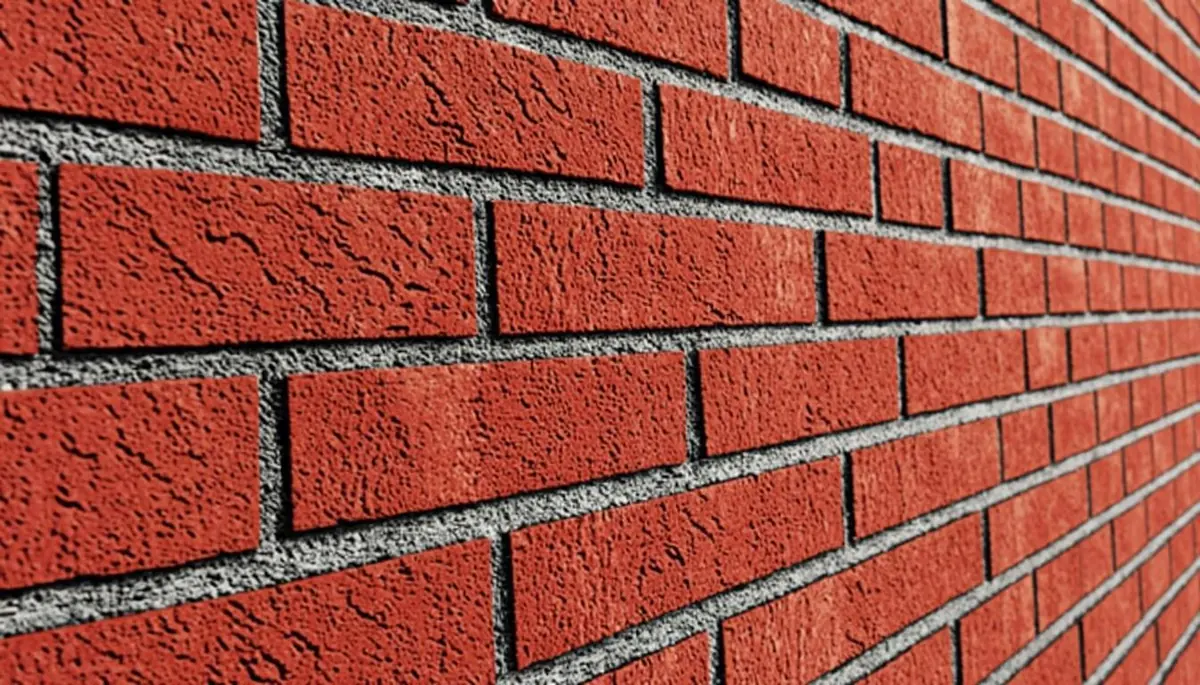
Bricks make up one of the largest chunks of any construction budget. If you're building a 5 marla house in Jhelum, you're probably looking at 55,000 to 70,000 bricks — so even a the day's rate — call us per brick difference adds up to over the day's rate — call us Knowing the current brick rate in Jhelum and understanding what affects pricing can save you serious money.
At Khokhar Building Material Supplier, we track brick prices daily. Here's what bricks are actually costing in Jhelum right now in 2026, what drives those prices, and how to get the best deal.
Current Brick Rates in Jhelum (2026)
Brick rates in Jhelum depend mainly on quality grade. Here's what you should expect to pay:
| Brick Grade | Rate per Piece (PKR) | Rate per 1,000 (PKR) | Typical Use |
|---|---|---|---|
| Tawakkal (A+ Premium) | 26 - 30 | 26,000 - 30,000 | Main house walls, exposed brick work |
| Awwal (A-Grade) | 22 - 25 | 22,000 - 25,000 | Load-bearing walls, general construction |
| Domm (B-Grade) | 14 - 18 | 14,000 - 18,000 | Boundary walls, non-structural walls |
| Machine-made | 20 - 24 | 20,000 - 24,000 | Uniform size, modern construction |
| Fly ash bricks | 16 - 20 | 16,000 - 20,000 | Eco-friendly alternative, growing use |
These are the rates at the brick kiln or supplier yard. If you need supply to your site in Jhelum city, add the day's rate — call us per brick for transportation, depending on distance.
What Affects Brick Prices in Jhelum?
1. Fuel and Coal Prices
Brick kilns run on coal and sometimes rubber tires or wood. When coal prices go up — and they've been volatile the last couple of years — brick rates follow. A 20% increase in coal cost typically translates to 8-10% increase in brick prices.
2. Seasonal Demand
Construction activity in Jhelum follows a clear seasonal pattern:
| Season | Months | Price Trend | Why |
|---|---|---|---|
| Peak construction | March - June | Highest rates | Everyone starts projects before monsoon |
| Monsoon slowdown | July - September | Rates stabilize | Rain slows construction, demand drops |
| Second peak | October - November | Rates rise again | Post-monsoon construction push |
| Winter slowdown | December - February | Lowest rates | Cold weather, fewer projects start |
If you can plan your brick purchase for December or January, you'll often get rates 10-15% lower than peak season. Many homeowners buy and store bricks during winter even if construction starts months later.
3. Distance from Brick Kiln
Jhelum has several brick kilns (bhattas) in surrounding areas. The closer the kiln, the lower your transport cost. Bricks coming from kilns farther from Jhelum may cost slightly more due to longer transport distance.
4. Government Regulations
Environmental regulations on brick kilns have affected supply. Many old-style kilns have been forced to upgrade to zigzag technology, which is cleaner but more expensive to operate. This has pushed brick prices up over the last 2-3 years.
How to Identify Quality Bricks
Price means nothing if you're getting poor quality. Here's how I check bricks before loading them:
Color Test
Good quality bricks have a uniform deep red or cherry color. If bricks are too dark (almost black), they're over-burnt. If they're pale yellow or white, they're under-burnt. Both are weak.
Sound Test
Strike two bricks together. A good brick produces a clear ringing sound. A dull thud means the brick is weak or has internal cracks.
Shape and Size
Quality bricks are uniform in size with straight edges and flat surfaces. Pick 10 random bricks from a stack and measure them — they should all be within 2-3mm of each other. Large variation means poor quality control at the kiln.
Drop Test
Drop a brick from about 4 feet height onto a hard surface. A good brick won't break or crack. If it shatters, the brick is weak — probably under-burnt or made with poor clay.
Water Absorption Test
Weigh a dry brick, then soak it in water for 24 hours and weigh again. Quality bricks absorb less than 15% of their weight in water. If absorption is above 20%, the brick is too porous and will cause dampness in walls.
Nail Scratch Test
Try scratching the surface with your thumbnail or a nail. If it leaves a deep mark easily, the brick is soft and low quality. Good bricks resist scratching.
Brick Quality Grades Explained
A+ Grade (Tawakkal)
Top quality. Uniform color, perfect shape, high strength. These are what you want for your main house walls, especially if any brick work will be visible (exposed brick finish). Cost more but worth it for the main structure.
A Grade (Awwal)
Good quality, minor color variation acceptable. Most houses in Jhelum use Awwal bricks for load-bearing walls. The sweet spot between quality and cost.
B Grade (Domm)
Second quality. Irregular shape, color variation, lower strength. Fine for boundary walls, servant quarters, and non-load-bearing partitions. Don't use these for main structural walls.
Machine-Made Bricks
These are produced in automated kilns and have very consistent size and shape. Slightly more expensive than hand-made Awwal but the uniformity makes masonry work faster and neater.
Fly Ash Bricks
Made from fly ash, cement, and sand. More uniform than clay bricks, lighter weight, and better thermal insulation. They're becoming popular in Jhelum for modern construction. Slightly more expensive per piece but you need fewer of them due to larger size.
Cost Example: Bricks for a 5 Marla House
Let's calculate the brick budget for a typical 5 marla double-story house in Jhelum:
| Brick Grade | Quantity | Rate per Brick | Total Cost (PKR) |
|---|---|---|---|
| A+ Premium | 60,000 | call us | 1,680,000 |
| A Grade (Awwal) | 60,000 | call us | 1,440,000 |
| B Grade (Domm) | 60,000 | call us | 960,000 |
| Machine-made | 60,000 | call us | 1,320,000 |
The difference between using all A+ premium versus all B grade is the day's rate — call us — a massive difference. Most homeowners choose a mix: A grade for main walls and B grade for boundary walls and non-structural areas.
For a complete house budget including all materials, check our 5 marla construction cost breakdown.
Tips for Buying Bricks in Jhelum
1. Visit the Kiln or Supplier Yard
Don't order bricks based on phone photos. Go see them in person. Check multiple stacks, not just the one shown to you. Some suppliers put good bricks on top and mixed quality below.
2. Order in Phases
If you need 60,000 bricks, don't order them all at once. Order 20,000 at a time. This way:
- You can check quality of each batch
- Less storage space needed at site
- Less risk of theft or weather damage
- You can switch suppliers if quality drops
3. Negotiate Based on Quantity
For orders above 30,000 bricks, negotiate. Suppliers expect it. A the day's rate — call us per brick discount on a large order saves you the day's rate — call us
4. Check supply Weight
A standard truck carries about 5,000-6,000 bricks. Make sure you're getting what you paid for. Count bricks as they're unloaded — don't just accept the driver's count.
5. Store Bricks Properly
Stack bricks on level ground, away from standing water. Cover with tarpaulin during rain. Bricks left in muddy areas absorb moisture and weaken.
6. Buy Before Peak Season
If your construction starts in March, buy bricks in January. You'll get better rates and avoid the rush when everyone else is trying to order at the same time.
How to Calculate How Many Bricks You Need
For a detailed step-by-step brick calculation formula with examples, read our brick calculation guide. It covers wall-by-wall calculations so you can order the exact quantity you need.
Quick reference for common house sizes:
| House Size | Single Story | Double Story |
|---|---|---|
| 3 Marla | 25,000 - 30,000 | 40,000 - 50,000 |
| 5 Marla | 35,000 - 45,000 | 55,000 - 70,000 |
| 10 Marla | 55,000 - 65,000 | 80,000 - 100,000 |
| 1 Kanal | 80,000 - 100,000 | 130,000 - 160,000 |
Where to Buy Bricks in Jhelum
You have a few options:
- Direct from brick kilns — cheapest rates but you arrange transport and quality check yourself
- Building material suppliers — slightly higher rates but they handle supply and quality sorting
- Contractor sourcing — your builder arranges bricks, but watch for markup
At Khokhar Building Material Supplier, we source directly from quality kilns, sort bricks by grade, and supply to your site. You get the convenience of a local supplier with near-kiln pricing. We also help you calculate brick quantities and plan your purchase timing for the best rates.
The key with buying bricks is simple: never compromise on quality for the main structure, buy at the right time, and always verify what you're getting. A few hours spent checking brick quality can save you years of structural problems. ===END===
How We Check a Kiln Load Before It Reaches You
Brick is the material people judge least and live with longest — every wall you see for the next fifty years. Before a load leaves for your site, this is the routine it goes through at our end:
- Colour across the stack. Pale, chalky patches mean under-baked bricks from the cooler corners of the kiln. A good load reads consistent from top to bottom of the stack, not just the presentable outer face.
- The tap test. Two baked bricks knocked together give a clear ring. A dull thud means a soft, under-fired brick — fine for nothing structural and poor even for plaster-backed work.
- The break test. We break a few sample bricks. A well-fired brick shows an even colour through the core. A dark centre or a crumbly, gritty cross-section goes back on the reject pile.
- Size consistency. Bricks that wander in size turn every mason's line into a negotiation and waste mortar on shimming. A wall of consistent bricks goes up faster and straighter — and straighter walls mean cheaper plaster.
- The water test. A strong brick drinks slowly. One that gulps water on contact will fight your curing and steal water from the mortar.
Where do the seconds go? Onto boundary walls, garden edging and work that ends up under plaster — decided with your mason, and with your engineer where anything structural is involved. A-grade and B-grade both have honest jobs; the mistake is paying A-grade money for B-grade stacks or building structure on the wrong pile.
Questions about your own build? Call or WhatsApp +92 331 5083 648 — we answer with today's facts, not guesses.
Ordering & Rates — Confirmed on Call
Material rates change daily, so we confirm everything directly with you.
Today's rate, not yesterday's: Cement, steel, bricks, sand, crush and paint rates move with the market, sometimes daily. Call or WhatsApp +92 331 5083 648 and our team confirms the day's exact figure for your brand and quantity in minutes.
Straight, itemised quotes: Tell us your material list — a paper chit, a photo of your plan or just your plot size and stage. You get brand, grade and quantity spelled out, and the figure is locked only with an official order and advance payment.
Everything confirmed personally: Availability, quantities, timing and how the material reaches you — we confirm all of it with you directly before anything is finalised. No surprises at loading.
Full details in our Contact page — or call / WhatsApp +92 331 5083 648 and we will go through your list and today's rate in minutes.
Good to Know Before You Act
Two honest notes about everything published in our guides.
We don't publish fixed rates: material rates in Pakistan change daily, so nothing on this site is a price list. The final and correct rate is always the one our team confirms with you on the day. Call or WhatsApp +92 331 5083 648 for today's exact figure — a rate is locked only with an official order and advance payment.
Guidance, not instructions: quantities, mix ratios and methods described in our guides are general educational guidance for your specific site you should verify — outcomes depend on site conditions, water quality, handling, curing, storage and workmanship. Before you act, always speak with your engineer, contractor or a qualified professional — or ask our team for guidance on materials.
Planning a stage of your project? Contact us first — we will gladly go through your material list, today's rate and the right products for your site before you buy.
Related Articles
10 Mistakes to Avoid When Buying Building Materials in Pakistan (2026)
Most building material losses in Pakistan never show up on a receipt: cement that lost strength in storage, bricks judged by colour alone, sand accepted without a test, steel never weighed. Ten mistakes to avoid — and the simple checks that catch them.
Building Materials List for a 5 Marla House (With Quantities)
The full 5 marla grey-structure material list in one place — bricks, cement, steel, sand and crush quantities, stage by stage, from the yard that supplies Jhelum daily.
Saria Weight Per Foot: 2, 3, 4, 5 & 6 Sutar Chart (2026)
The munshi says one weight, the kanta says another. The sutar-to-weight chart that settles every saria argument: 2 to 6 sutar in mm, kg per foot, per meter and per 40-foot bar.