Distemper vs Emulsion Paint — Which One Fits Your Walls and Wallet
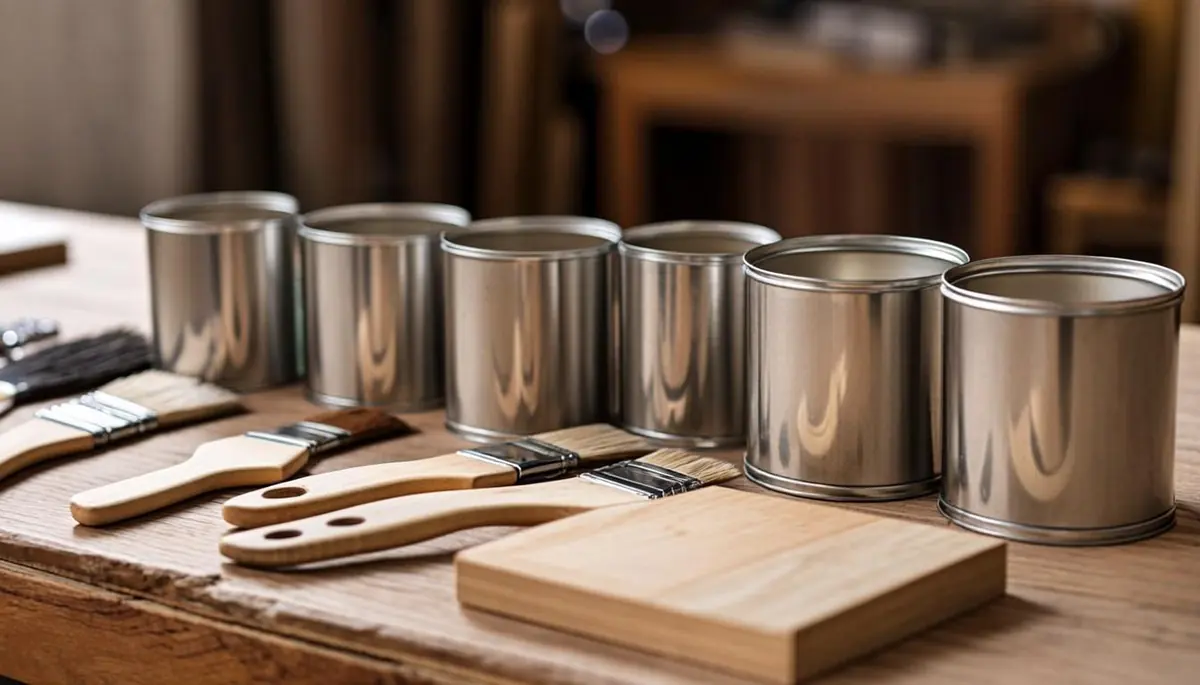
It is the question that lands at our paint counter almost every evening during finishing season — usually mid-argument. Last week it was a father and son, building their first floor in Bilal Town. Father: "distemper is what we have always done, it costs less." Son: "everyone uses emulsion now, abbu." Both were partly right, which is why the argument never ends.
So here is the version we give when customers ask us to settle it — no brand bias, no sales pitch, just what each product actually does over the years you will live with it.
What the Two Products Actually Are
Distemper is the older, economical wall coating — basically chalk and lime-based pigment, sold as dry powder or ready-mixed. It gives a flat, powdery-matte finish. Oil-bound distemper (OBD) is its slightly tougher cousin with a binder added.
Emulsion — what most people just call "paint" or "plastic paint" — is a water-based acrylic coating. It dries into a tight, flexible film that clings to the wall and can be wiped with a wet cloth.
That one difference — a powdery coating versus a bonded film — explains almost everything else below.
Head to Head, in Plain Words
| What matters | Distemper | Emulsion |
|---|---|---|
| Washability | Marks soak in; rubbing can rub the coating off | Wipes clean with a damp cloth |
| Lifespan before repaint | Roughly 2–3 years before it chalks and dulls | Many years longer on a well-prepped wall |
| Finish | Flat, powdery matte | Matte to soft sheen options |
| Shade choice | Limited shade cards | Deep shade cards — we keep the full Happilac range at the counter |
| Cost per litre | Lower | Higher |
| Best on | Ceilings, store rooms, budget jobs | Living areas, bedrooms, main floors |
The Number That Actually Matters: Cost Per Year
Distemper wins on the bill at the shop — nobody argues that. But repaint cycles are where the picture flips. If emulsion lasts roughly twice as long before the wall needs doing again, its higher first cost spreads over more years. For a home you will live in for a decade, emulsion usually wins on cost per year. For a rental upper portion you are finishing cheaply before tenants move in, or a storeroom nobody looks at, distemper remains a perfectly sensible choice — that is exactly what it is for.
Where Each One Makes Sense in a Real House
Distemper makes sense for: ceilings (nothing touches a ceiling anyway), stores and godowns, servant quarters, rental portions being finished on a tight budget, and any wall you plan to redo again soon.
Emulsion makes sense for: living rooms, bedrooms, kitchens and dining areas, staircases — anywhere hands, furniture and children will test the wall. And for outside walls, one more rule: do not use interior emulsion outdoors. Exteriors need an exterior product built for sun and rain — see what we keep for facades at our paint and hardware store.
Prep Matters More Than the Label on the Tin
We see this every week: two houses, same paint, opposite results after two summers. The difference is almost always preparation:
- Fix the cracks first — a white cement paste fill on hairline cracks and gaps before painting (our white cement guide shows how).
- Putty for smoothness where the wall needs a fine skim.
- Primer or sealer before the paint — especially on exterior surfaces and fresh plaster.
- Two finish coats, minimum. One thick coat is not the same as two thin ones.
Even the best emulsion over a dusty, chalky, unprimed wall will let go early. Half the "bad paint" complaints we hear are really prep complaints.
Our Counter Method: Pick Room by Room
When a customer brings us a house, we do not pick one product for everything. We ask, room by room: who uses it, how it gets dirty, how many years before you repaint anyway. Ten minutes of that conversation saves people from both mistakes — overpaying for a store room and under-finishing a lounge.
Come and flip through the Happilac shade cards at our paint counter, or send us your room list on WhatsApp +92 331 5083 648 — tell us which rooms matter most and roughly what feel you want, and we will suggest where emulsion earns its price and where distemper is the smart, honest answer. If you want to understand paint types and coverage more deeply first, our paint quality guide covers it.
Delivery Areas & Charges
Plain and simple — here is exactly how delivery works at Khokhar Traders.
Where we deliver: Locally within about 10–15 km of Jhelum city centre — Jhelum City, Civil Lines, Bilal Town, Kala Gujran, Haji Aima, Kotla Aima, Katchery, Mohamdi Chowk, Chishtian Mohallah, Madina Town, CITI Housing, and many more areas around Jhelum city centre. A little further out? We may still be able to deliver with extra charges — just ask.
Delivery charges: Agreed at the time of order. Share your location with our team and we calculate the exact distance, then confirm a fair delivery charge before anything is loaded. Prefer to save on transport? You are welcome to arrange your own transport.
Ex-shop rates vs delivered rates: Shop materials — cement, iron rebars (sariya), chips, tile bonds, paints, hardware — are priced at ex-shop rates: either we deliver at the agreed charge, or you arrange your own transport. Loose materials — sand, aggregate (crush), soil and gassu for foundation filling, and bricks on a full trolley — usually come with delivery included.
Full-truck cement delivery: We can deliver a full truck of 350–500 cement bags straight to your site (if a bigger truck can safely reach it). A small loader carries only 25–35 bags per trip — one full truck saves you many loader runs and real money on local transport.
Rates change daily: A rate confirmed over the phone is valid for that time of day only. A rate is locked with an official order and advance payment — we confirm the final rate and delivery charge together before dispatch.
Full details in our Shipping Policy — or call / WhatsApp +92 331 5083 648 and we will confirm today's rate and your delivery charge in minutes.
Good to Know Before You Act
Two honest notes about everything published in our guides.
Rates are market estimates and they change daily: any price or rate mentioned in our guides is an indicative market estimate for planning only — material rates in Pakistan fluctuate, sometimes daily. It does not matter what a guide, blog or old quotation says — the final and correct rate is always the one our team confirms with you on the day. Call or WhatsApp +92 331 5083 648 for today's exact price. A rate is locked only with an official order and advance payment.
No warranty on results — always speak to a professional first: quantities, mix ratios, material suggestions and methods described in our guides are general educational guidance, not instructions for your specific site. Results after mixing or using any material in any ratio depend on site conditions, water quality, handling, curing, storage and workmanship — we do not warrant or guarantee any result arising from following general guidance. Before you act, always speak with your engineer, contractor or a qualified professional — or ask our team for guidance on materials.
Planning a stage of your project? Contact us first — we will gladly go through your material list, today's rates and the right products for your site before you buy.
Related Articles
Paint Price in Pakistan (2026) — Emulsion, Enamel & Texture Rates
Paint prices in Pakistan for 2026: gallon rates for wall emulsions, enamels, weather-coat and texture paints, coverage per gallon, and how to calculate paint for a 5 marla house.
Paint Colours and Finishes for Pakistani Homes: Light, Space and Maintenance
Choosing paint for a new home involves more than selecting a colour from a catalogue. The colour, finish, natural light, room size, surface condition and expected maintenance all influence how the finished space will look and perform.
Paint Quality in Pakistan: Brands, Finishes, Coverage and Cost
Paint is one of the final materials applied to a house, but its importance goes well beyond appearance. The right paint system can influence how a room looks, how easily surfaces can be maintained and how well exterior walls cope with weather and environmental conditions.